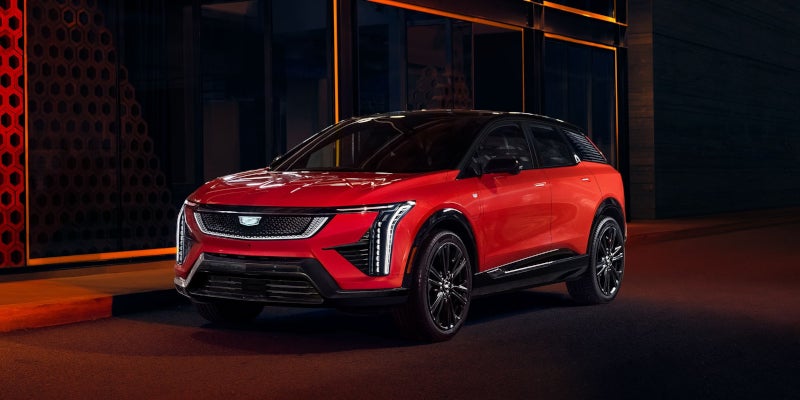



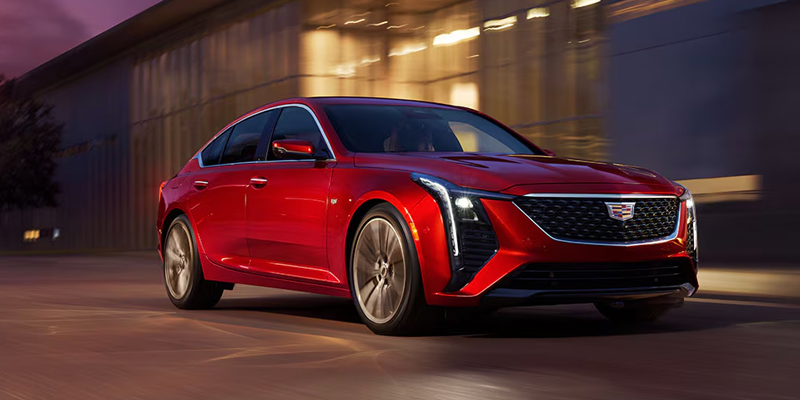
Comparing the Cadillac XT5 and Escalade for your next vehicle means looking at two of the most compelling premium SUVs available. Both models offer refined style, premium technology, and the renowned Cadillac driving experience, catering to different needs. If you live near Steinle GMC Cadillac in Clyde, OH, our team can help you find the perfect match. Here is what you should know before deciding. Size and Space: Two Very Different Footprints The 2026 Cadillac XT5 is a midsize SUV built for drivers wanting premium without an oversized footprint. It maneuvers easily through daily errands, fits comfortably in standard parking spaces, and delivers a spacious, upscale cabin. If you navigate local traffic or commute regularly, the XT5 makes practical sense. Conversely, the 2026 Escalade is a full-size SUV designed for buyers needing maximum passenger and cargo capacity. The standard Escalade offers commanding interior room, and the Escalade ESV features a stretched wheelbase for even more space. Features and Technology Inside the Cabin Both the XT5 and Escalade feature modern technology, with distinct differences. The XT5 provides a premium cabin with a user-friendly touchscreen, available wireless charging, and a welcoming design. The Escalade features a stunning 55" curved display stretching across the dashboard, a more expansive sound system, and available rear-seat entertainment options. It sets the standard for top-tier premium. Performance and Powertrain Options The 2026 XT5 offers a 2.0-L turbocharged engine or an available 3.6-L V6, pairing efficiency with capable performance for daily driving and road trips. The Escalade brings significant power with its standard 6.2-L V8 engine or the high-output supercharged 6.2-L V8 on the V-Series. The Escalade lineup holds a clear edge for buyers prioritizing towing capacity and sheer power. Which One Is Right for You? Choosing between these two premium SUVs depends on your daily driving habits. The XT5 is an excellent fit for drivers seeking a stylish, manageable SUV that retains comfort and advanced technology. It is a smart choice for smaller families or couples. The Escalade is the right call for buyers needing three rows of seating, serious towing capability, or a commanding road presence. Visit Steinle GMC Cadillac to Experience Both The best way to settle the Cadillac XT5 and Escalade comparison is to drive both. Steinle GMC Cadillac serves drivers throughout Clyde, OH, with a strong selection of new Cadillac SUVs. Stop in, explore the lineup, and let our team help you find the right fit for your lifestyle. Visit us at https://www.steinlegmccadillac.com to browse inventory or schedule a test drive today.
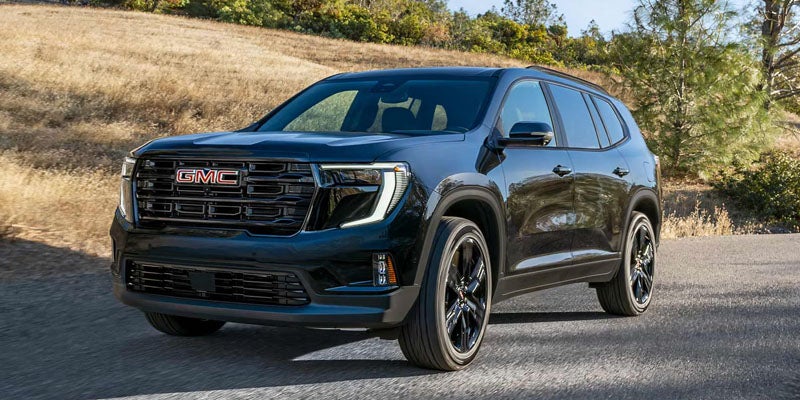
2026 GMC Terrain vs. Acadia: Which GMC SUV Is Right for Your Northwest Ohio Life?
When shopping for a new GMC SUV and weighing the GMC Terrain vs. Acadia, you have two strong options from the 2026 lineup. Both models are available to drivers throughout Clyde, OH, at Steinle GMC Cadillac. The real question is which one better fits your daily life and warrants reaching out for a test drive. Let's explore the differences. GMC Terrain vs. Acadia: Understanding the Size Difference The most straightforward way to differentiate the GMC Terrain vs. Acadia is by size. The 2026 Terrain is a small SUV, while the 2026 Acadia is a mid-size SUV. For solo commuters needing something nimble and easy to park, the Terrain has a clear edge. For those hauling families or requiring more cargo flexibility, the Acadia provides more room. Who the 2026 GMC Terrain Is Built For The 2026 Terrain is an excellent pick for individuals and smaller households. It remains compact enough for city driving while delivering expected refinement and technology. Trim options include the AT4 for added off-road capability and the Denali for buyers wanting a premium feel in a smaller package. The Terrain is a fantastic choice for value-conscious shoppers refusing to sacrifice quality. It maintains a professional-grade identity while keeping things practical for daily errands and weekend trips. Who the 2026 GMC Acadia Is Built For The 2026 Acadia is designed for families needing more space, extra seating, and increased hauling capacity. This mid-size SUV features a wider range of trims, including the AT4 for off-road adventures, alongside the Denali and Denali Ultimate for a refined, feature-rich experience. The Acadia earned recognition from U.S. News as a top family SUV. For those prioritizing kid car seats, sports gear, or weekend road trips, this vehicle deserves a serious look. The added size does not make it unwieldy, as it still drives like a composed, confident SUV. GMC Terrain vs. Acadia: Comparing Trim Levels and Features Both models offer access to the AT4 and Denali trim lines. The rugged or refined experience you desire is available in either vehicle. The Terrain Denali starts at a more accessible price point, while the Acadia Denali steps up significantly in interior space and features. Technology remains strong across both models. Expect features like a large touchscreen infotainment system, available Super Cruise© hands-free driver assistance, wireless connectivity, and available OnStar© services. Choosing the Terrain or Acadia guarantees a well-equipped SUV designed for modern drivers. Making the Right Choice for Northwest Ohio Drivers For drivers in Clyde, OH, and the surrounding northwest Ohio area, both GMC SUVs offer appealing benefits. For solo commuters, empty nesters, or first-time SUV buyers, the Terrain is a practical and stylish choice. For growing households needing extra space and capability, the Acadia delivers without feeling oversized. Visit Steinle GMC Cadillac to Compare Both Models The best way to settle the GMC Terrain vs. Acadia debate is to view them side by side. The team at Steinle GMC Cadillac in Clyde, OH, is ready to help you explore both models, answer your questions, and find the right fit for your lifestyle. Visit steinlegmccadillac.com to browse current inventory, view available offers, and schedule a test drive today.