


Blog / 2025

2025 GMC Savana Cargo: Built for the Work You Actually Do

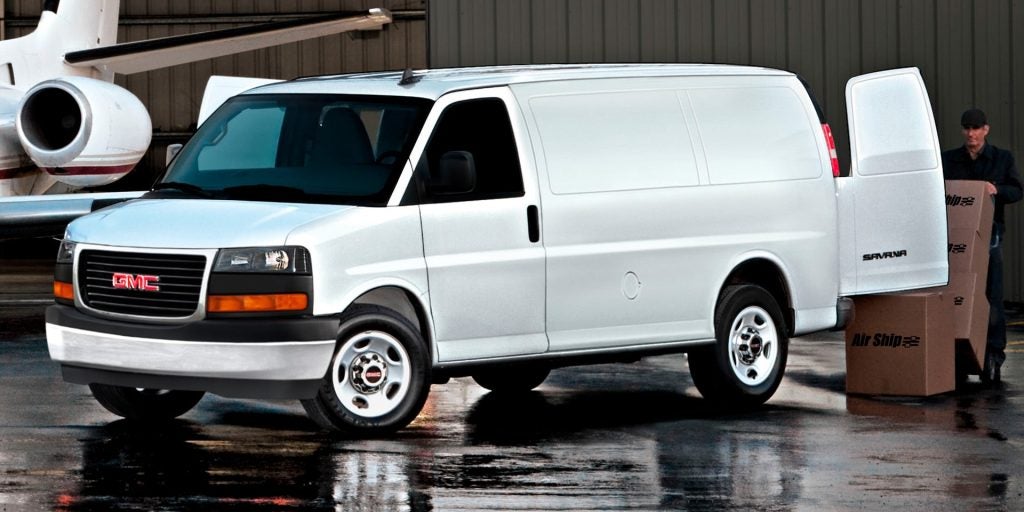
2025 GMC Savana Cargo

The 2025 GMC Savana Cargo exists for a single reason: to make your day run smoother. Not flashier. Not complicated. Just better organized, more capable, and less stressful from the first stop to the last. 

Space That Solves Problems Before They Start 

You don’t notice cargo space until you run out of it. Then it becomes the only thing that matters. With up to 283.6 cu. ft. of cargo room, the Savana gives you space that feels usable, not just impressive on paper. Wide openings. Straightforward access. A layout that works with you instead of against you. For a florist in Fremont, that means arrangements stay upright and intact. For anyone hauling fragile or oversized items, it simply means fewer headaches. 

Set Up Once, Work Smarter Every Day 

Shelving, bins, partitions. Configure it once and suddenly your tools are always where you expect them to be. No digging. No wasted time. For plumbers and electricians, that kind of consistency adds up. The available 4.3L V6 pushes out 276 hp and 298 lbs. ft. of torque, and a max GCWR of 16,000 lbs. means it carries the load without feeling strained. 

Loading Without the Daily Struggle 

The small frustrations are the ones that wear you down. Climbing in and out. Wrestling with awkward packages. Losing time on every stop. The Savana cuts that out. Wide rear doors. Low step-in height. Easy access from multiple angles. Delivery drivers in Fremont will notice the difference by the second or third stop, when things just start moving quicker. And once that pace sets in, you don’t want to go back. 

One Van, Many Jobs, No Drama 

What stands out most is how easily this van shifts roles. Catering setup in the morning. Equipment hauls in the afternoon. Event supplies by evening. It doesn’t ask questions. It just adjusts. For small business owners, flexibility matters more than any single feature. It means one vehicle can handle a full day without compromise. 

See How It Fits Your Workday in Fremont 

The 2025 GMC Savana Cargo isn’t trying to reinvent anything. It’s focused on doing the basics exceptionally well. Stop by Steinle GMC Cadillac and look inside. You’ll know quickly if it fits your workflow. And if it does, you’ll wonder how you managed without it.
Posted in:

Related Posts

Types of Motor Oil Explained: How to Choose the Right Oil for Your GMC or Cadillac

What Are the Different Types of Motor Oil? Choosing the right motor oil is an important part of maintaining your GMC or Cadillac. Engine oil helps lubricate moving components, regulate heat, reduce friction, and support overall engine performance. With several oil types available, including conventional, synthetic, and synthetic blend options, understanding the differences can help you make an informed maintenance decision. The right oil choice depends on factors such as your vehicle’s engine design, driving habits, climate conditions, and manufacturer recommendations. Using the correct oil type and viscosity helps your engine operate efficiently and supports long-term reliability. What Is Conventional Motor Oil? Conventional motor oil, sometimes called natural or traditional oil, is refined from crude oil and has been used in vehicles for many years. It provides basic engine protection and lubrication for many everyday driving situations. While conventional oil can be suitable for certain vehicles and driving conditions, it typically does not offer the same level of performance in extreme temperatures or demanding conditions as synthetic options. Drivers with older vehicles or those who follow standard maintenance schedules may use conventional oil if it meets their vehicle’s requirements. What Is Synthetic Motor Oil? Synthetic motor oil is engineered and refined to provide enhanced protection and performance compared to conventional oil. It is designed to maintain its properties in a wider range of temperatures, helping provide consistent lubrication during cold starts and high-temperature driving. Many modern GMC and Cadillac vehicles are designed to perform best with synthetic oil because of advanced engine technology and tighter component tolerances. Synthetic oil may also help reduce deposits, support engine cleanliness, and provide dependable protection during demanding driving conditions. What Is a Synthetic Blend Motor Oil? Synthetic blend oil combines conventional oil with synthetic oil components to provide a balance between performance and affordability. It offers some of the benefits of full synthetic oil while maintaining characteristics of traditional motor oil. Synthetic blends are commonly used by drivers who want improved protection over conventional oil but do not necessarily require a full synthetic formula. The best option depends on your specific vehicle and the recommendations outlined in your owner’s manual. How Do You Choose the Right Oil for Your GMC or Cadillac? Selecting the correct motor oil starts with checking your vehicle manufacturer’s recommendations. GMC and Cadillac models are engineered with specific oil requirements, including the recommended viscosity and performance standards needed for proper engine operation. When choosing motor oil, consider these factors: Check your owner’s manual for the recommended oil type and viscosity. Follow manufacturer guidelines for oil specifications and certifications. Consider your driving conditions, including frequent short trips or heavy towing. Choose oil designed for your specific engine type. Consult a certified service technician if you are unsure which oil is correct. Using the wrong oil can affect engine lubrication and may prevent your vehicle from operating as intended. The correct oil helps your GMC or Cadillac maintain dependable performance in everyday driving conditions. How Often Should You Change Your Vehicle’s Oil? Oil change intervals vary depending on your GMC or Cadillac model, engine type, driving habits, and oil used. Many newer vehicles include oil life monitoring systems that track driving conditions and help determine when service is needed. Regular oil changes help remove contaminants and maintain proper lubrication throughout your engine. Staying current with recommended maintenance can help support smooth operation and reduce the risk of avoidable engine concerns. Schedule Oil Service at Steinle GMC Cadillac Choosing the right oil is an important step in protecting your GMC or Cadillac. Whether your vehicle requires synthetic oil, synthetic blend, or another approved oil type, professional service ensures your engine receives the care it needs. The service team at Steinle GMC Cadillac can help inspect your vehicle, confirm the correct oil specifications, and complete routine maintenance according to manufacturer recommendations. From oil changes to additional maintenance services, keeping up with regular care helps your vehicle stay ready for the road.

What to Do When Your Oil Light Is On 

What to Do When Your Oil Light Is On

Modern engines are astonishingly durable. They tolerate heat, cold, traffic, towing, long-distance travel, and years of daily use with remarkable resilience. But they all share one vulnerability. They need oil pressure. That small warning light on your dashboard is not merely a maintenance reminder. It is an indication that the engine's lubrication system may no longer be operating as intended. When that happens, the consequences can escalate quickly, which is why the oil light deserves immediate attention. The First Priority Is Finding a Safe Place to Stop If the oil light illuminates while driving, the best course of action is surprisingly simple. Reduce speed safely and find a suitable place to pull over. more Continuing to drive with inadequate oil pressure can allow internal engine components to operate without sufficient lubrication. Bearings, camshafts, pistons, and other moving parts depend upon a continuous supply of pressurized oil. Without it, wear accelerates dramatically and major damage can occur in a very short period of time. Once stopped, switch off the engine and allow it to sit for a few minutes before investigating further. Check the Oil Level Carefully After the engine has had time to settle, check the oil level using the dipstick. If the level is low, adding the correct oil may restore the level to the recommended range. However, this should be viewed as a temporary measure rather than a complete solution. Oil levels do not typically drop without a reason. Consumption, leaks, overdue maintenance, or other mechanical issues may be contributing factors. Even if adding oil extinguishes the warning light, professional inspection remains important. When the Oil Level Looks Normal This is often the situation that surprises drivers. If the oil level appears normal but the oil warning light remains illuminated, the problem may involve oil pressure rather than oil quantity. A faulty oil pump, restricted oil passage, pressure sensor issue, or another lubrication-system fault can prevent oil from circulating properly throughout the engine. In these situations, restarting the vehicle and continuing to drive is not advisable. Professional diagnosis and, in many cases, towing are the safer options. The cost of a tow is modest compared with the cost of replacing an engine. Why the Oil Light Comes On Several different issues can trigger the warning light. Low oil level remains the most common cause. Drivers who have delayed an oil change or developed a slow leak may eventually see the warning appear as oil levels fall below safe limits. Oil pressure sensors can also fail, creating false warnings that require diagnostic testing to verify. While this is often less serious than a genuine pressure loss, it still requires attention. Oil leaks, worn internal engine components, or a failing oil pump represent more significant concerns. In each case, the warning light is doing exactly what it was designed to do: alert the driver before major damage occurs. Maintenance Plays an Important Role One reason oil-related problems are often avoidable is that routine maintenance addresses many of the contributing factors. Fresh oil maintains proper viscosity and lubrication characteristics. Regular inspections can identify leaks before they become significant. Scheduled service helps ensure the lubrication system continues operating as intended throughout the life of the vehicle. In many cases, consistent maintenance is the difference between a minor repair and a major mechanical failure. Treat the Warning Seriously Not every dashboard light requires immediate action. The oil warning light does. It is one of the few warnings capable of signaling a condition that can damage an engine within minutes rather than weeks or months. Responding quickly, checking the oil level, and seeking professional diagnosis are the best ways to protect both your vehicle and your wallet. Drivers throughout Fremont, Ohio can rely on the certified technicians at Steinle GMC Cadillac to diagnose oil pressure concerns, inspect lubrication systems, and perform routine maintenance designed to keep engines operating properly. If your oil warning light has appeared, now is the time to have it inspected before a small issue becomes a much larger one.

Why Oil Changes Matter: A Complete Guide for GMC Drivers

Why Oil Changes Matter: A Complete Guide for GMC Drivers

What Does Oil Do in Your Vehicle? Proper vehicle maintenance is important for owners at Steinle GMC Cadillac in Fremont, OH. Engine oil lubricates the moving metal parts inside a GMC engine, and this fluid reduces friction while preventing heat buildup. It also carries heat away from parts and keeps components clean by holding dirt. Regular oil changes help the engine last longer, so customers should contact the service department to learn more about maintenance schedules. Why Oil Changes are Necessary for Your GMC Engine oil degrades over time because heat and friction cause the oil to lose its ability to protect the engine. When oil is old, it can no longer form a barrier between metal surfaces. This can lead to sludge and engine wear. It is important to change the oil in engines like the 2.7 L 4-cylinder or the 5.3 L V8 to avoid total failure. more How Often Should You Schedule Oil Changes? Most modern GMC vehicles using full synthetic oil can go between 7,500 and 10,000 miles between services. Driving habits and the type of oil affect this interval, and if you tow heavy loads or drive in extreme heat, you may need service more often. Owners should check the oil life monitoring system on their 13.4" infotainment screen if they have a newer model. What to Do If Your Oil Light Comes On If the oil pressure warning light turns on, you should pull over safely. This light means the oil pressure is low, which could mean the oil level is low or the oil pump has an issue. Driving with low oil pressure can cause permanent damage to the engine within minutes. Check the oil level with the dipstick and add the correct oil if it is needed. Understanding the Types of Oil Conventional oil is refined from crude oil, and it works for older engines with lower mileage. Full synthetic oil is made in a lab to work better in cold weather and high heat. Many newer models, such as the Sierra 1500 Denali with the 6.2 L engine, require synthetic oil. This engine produces 420 hp and 460 lb-ft of torque. High-mileage oil is for vehicles with over 75,000 miles to help protect older seals. Trim Levels and Oil Changes Maintenance needs are similar across different trims like the Pro, SLT, and Denali. However, high-performance engines have specific oil requirements. For example, a Sierra with 20" wheels and a 5.3 L engine needs regular care to maintain its 355 hp and 383 lb-ft of torque. Owners can also use features like Apple CarPlay® and Android Auto® to find the nearest service center. Regular oil changes are not optional maintenance, as they are essential to keeping a vehicle healthy. The service team at Steinle GMC Cadillac in Fremont, OH, can handle these tasks with expertise. The technicians use the correct oil for every GMC model to ensure the engine runs well. Visit the dealership website to set up an appointment today.