



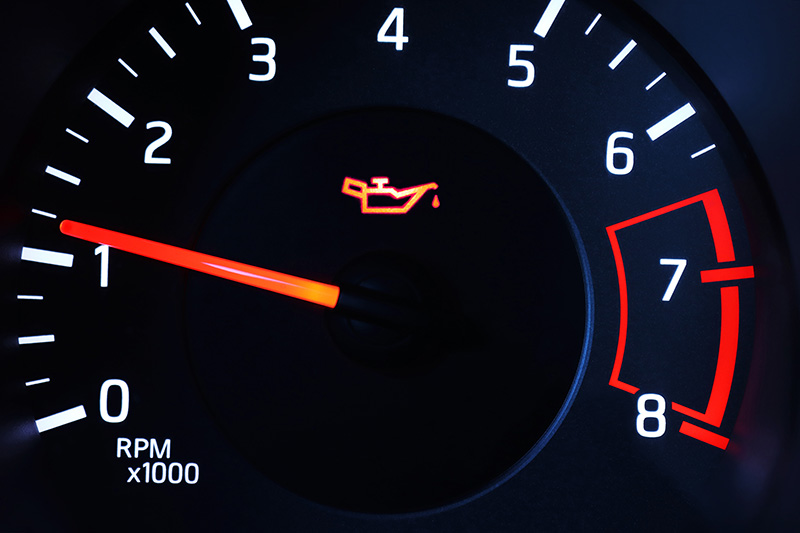
Modern engines are astonishingly durable. They tolerate heat, cold, traffic, towing, long-distance travel, and years of daily use with remarkable resilience. But they all share one vulnerability. They need oil pressure. That small warning light on your dashboard is not merely a maintenance reminder. It is an indication that the engine’s lubrication system may no longer be operating as intended. When that happens, the consequences can escalate quickly, which is why the oil light deserves immediate attention.
The First Priority Is Finding a Safe Place to Stop
If the oil light illuminates while driving, the best course of action is surprisingly simple. Reduce speed safely and find a suitable place to pull over.
Continuing to drive with inadequate oil pressure can allow internal engine components to operate without sufficient lubrication. Bearings, camshafts, pistons, and other moving parts depend upon a continuous supply of pressurized oil. Without it, wear accelerates dramatically and major damage can occur in a very short period of time.
Once stopped, switch off the engine and allow it to sit for a few minutes before investigating further.
Check the Oil Level Carefully
After the engine has had time to settle, check the oil level using the dipstick. If the level is low, adding the correct oil may restore the level to the recommended range. However, this should be viewed as a temporary measure rather than a complete solution.
Oil levels do not typically drop without a reason. Consumption, leaks, overdue maintenance, or other mechanical issues may be contributing factors. Even if adding oil extinguishes the warning light, professional inspection remains important.
When the Oil Level Looks Normal
This is often the situation that surprises drivers. If the oil level appears normal but the oil warning light remains illuminated, the problem may involve oil pressure rather than oil quantity. A faulty oil pump, restricted oil passage, pressure sensor issue, or another lubrication-system fault can prevent oil from circulating properly throughout the engine.
In these situations, restarting the vehicle and continuing to drive is not advisable. Professional diagnosis and, in many cases, towing are the safer options. The cost of a tow is modest compared with the cost of replacing an engine.
Why the Oil Light Comes On
Several different issues can trigger the warning light. Low oil level remains the most common cause. Drivers who have delayed an oil change or developed a slow leak may eventually see the warning appear as oil levels fall below safe limits.
Oil pressure sensors can also fail, creating false warnings that require diagnostic testing to verify. While this is often less serious than a genuine pressure loss, it still requires attention.
Oil leaks, worn internal engine components, or a failing oil pump represent more significant concerns. In each case, the warning light is doing exactly what it was designed to do: alert the driver before major damage occurs.
Maintenance Plays an Important Role
One reason oil-related problems are often avoidable is that routine maintenance addresses many of the contributing factors.
Fresh oil maintains proper viscosity and lubrication characteristics. Regular inspections can identify leaks before they become significant. Scheduled service helps ensure the lubrication system continues operating as intended throughout the life of the vehicle.
In many cases, consistent maintenance is the difference between a minor repair and a major mechanical failure.
Treat the Warning Seriously
Not every dashboard light requires immediate action. The oil warning light does. It is one of the few warnings capable of signaling a condition that can damage an engine within minutes rather than weeks or months. Responding quickly, checking the oil level, and seeking professional diagnosis are the best ways to protect both your vehicle and your wallet.
Drivers throughout Fremont, Ohio can rely on the certified technicians at Steinle GMC Cadillac to diagnose oil pressure concerns, inspect lubrication systems, and perform routine maintenance designed to keep engines operating properly. If your oil warning light has appeared, now is the time to have it inspected before a small issue becomes a much larger one.
Connect with us

